Why blood donation matters
The awareness programme: sessions, myths, and the arithmetic nobody explains.
There is no factory that makes blood
Every unit of blood hanging beside a hospital bed came out of a healthy person's arm. No laboratory anywhere manufactures it. That is the entire supply chain, and it is why a shortage is never a technical problem — it is a people problem.
Fewer than one per cent of the population donates voluntarily. The gap is almost never caused by unwillingness. It is caused by willing people never being asked at the moment somebody needed them. Closing that gap is the whole purpose of this platform: we hold no blood, we hold a list of people who said yes, and we call them when a patient nearby needs their group.
Accidents & trauma
A single serious road accident can consume ten units within the hour.
Mothers in childbirth
Post-partum haemorrhage kills, and it is one of the most preventable deaths if blood is at hand.
Surgery
Heart, orthopaedic and transplant surgery all need a reserve arranged before the first incision.
Thalassemia
Children who need a transfusion every two to four weeks, for their entire life.
Cancer treatment
Chemotherapy suppresses the marrow, so red cells and platelets have to be replaced.
Dialysis & anaemia
Chronic patients who quietly need blood month after month.
What one donation does
- 350 ml is what you give - about seven per cent of your blood volume.
- 3 patients can be supported, because one bag is separated into red cells, platelets and plasma.
- 24-48 hours is all your body needs to replace the fluid.
- 3 months and you can safely donate again (4 for women).
The five myths
"It will make me weak"
You give seven per cent of your blood volume and replace the fluid within a day or two. Regular donors are not weaker - they simply get a free health check three times a year.
"I am scared of the needle"
The needle is in for eight to ten minutes and feels like a blood test. Almost every first-time donor says the anticipation was worse than the event.
"I am too old or too young"
The window is 18 to 60 years and a minimum weight of 50 kg. That covers most adults.
"I take medicine, so I cannot"
Some medicines defer you, many do not. Controlled blood pressure usually does not stop you. Answer honestly and let the doctor at the centre decide.
"Someone else will donate"
This is the dangerous one. When a ward runs short it is not because people refused - it is because everybody assumed somebody else had it covered.
We come to you, and it costs nothing
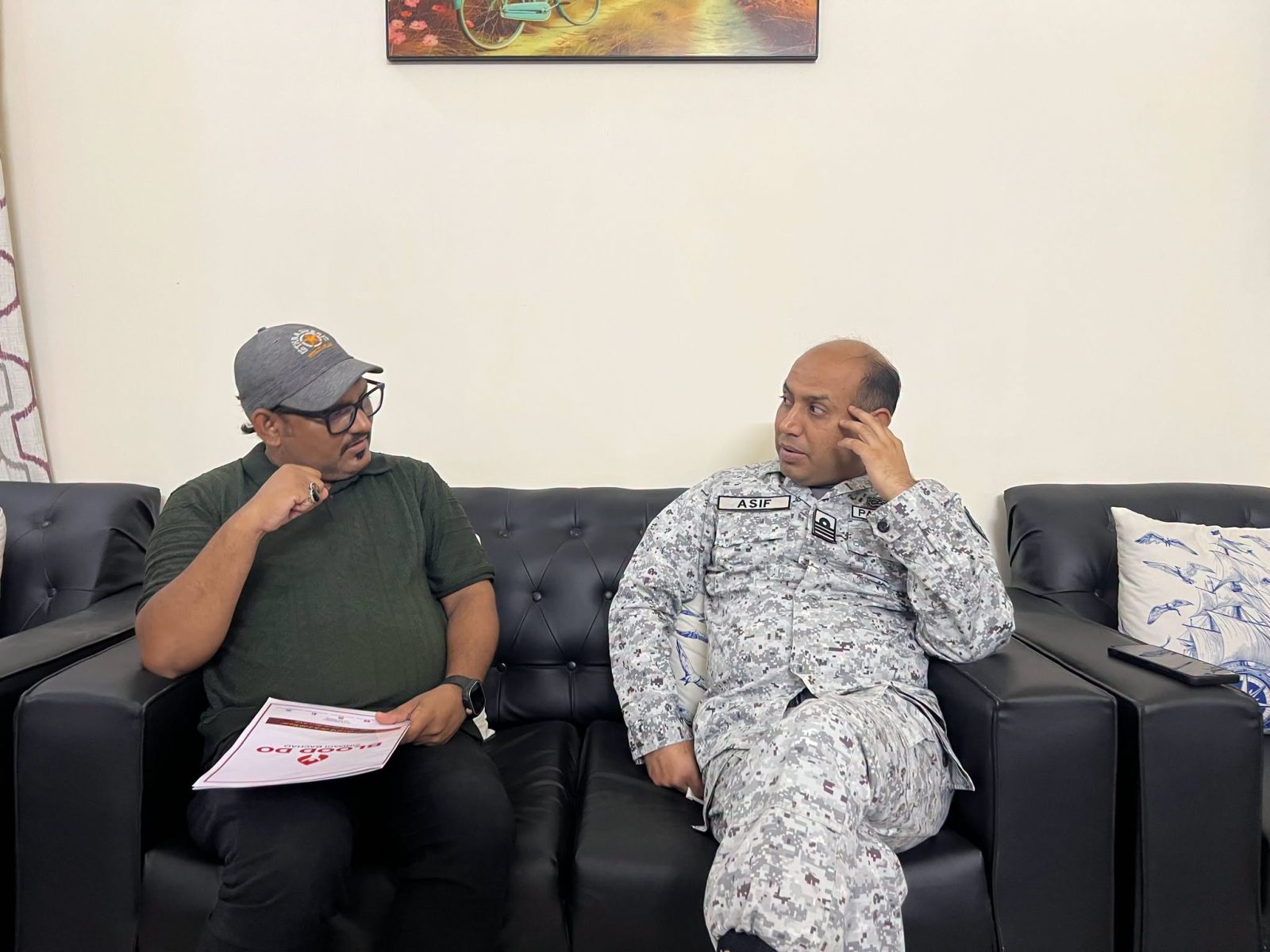
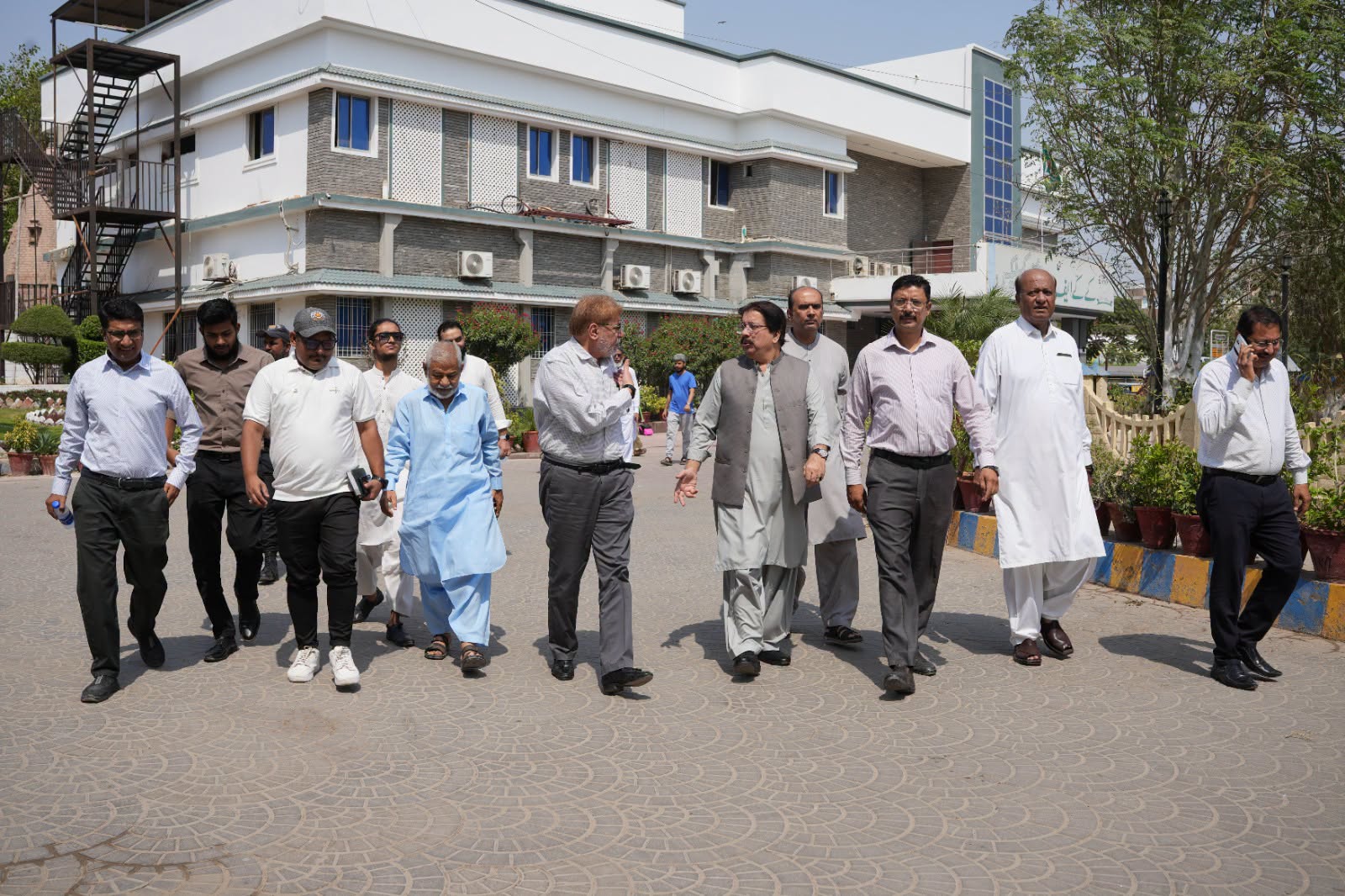
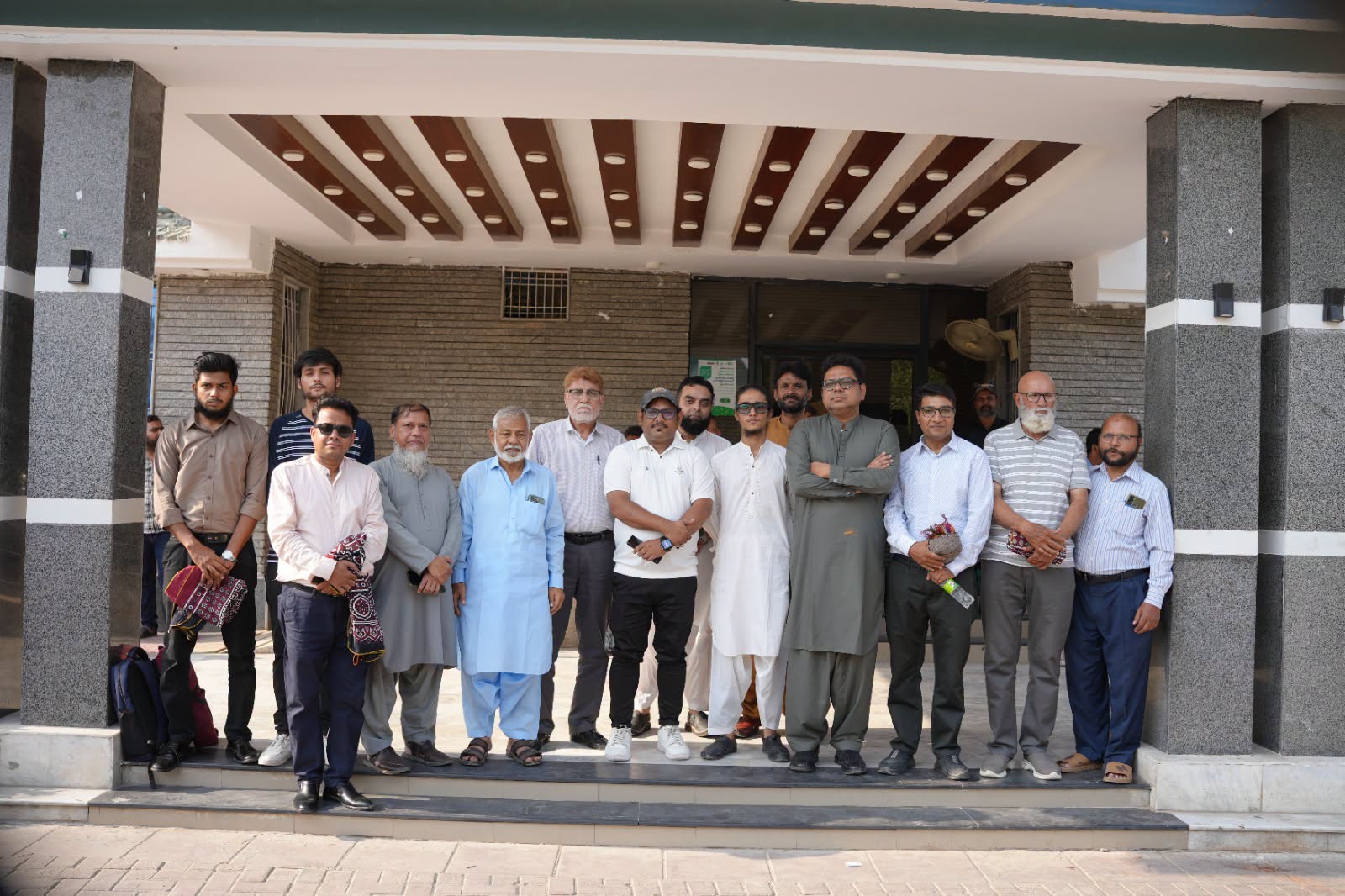
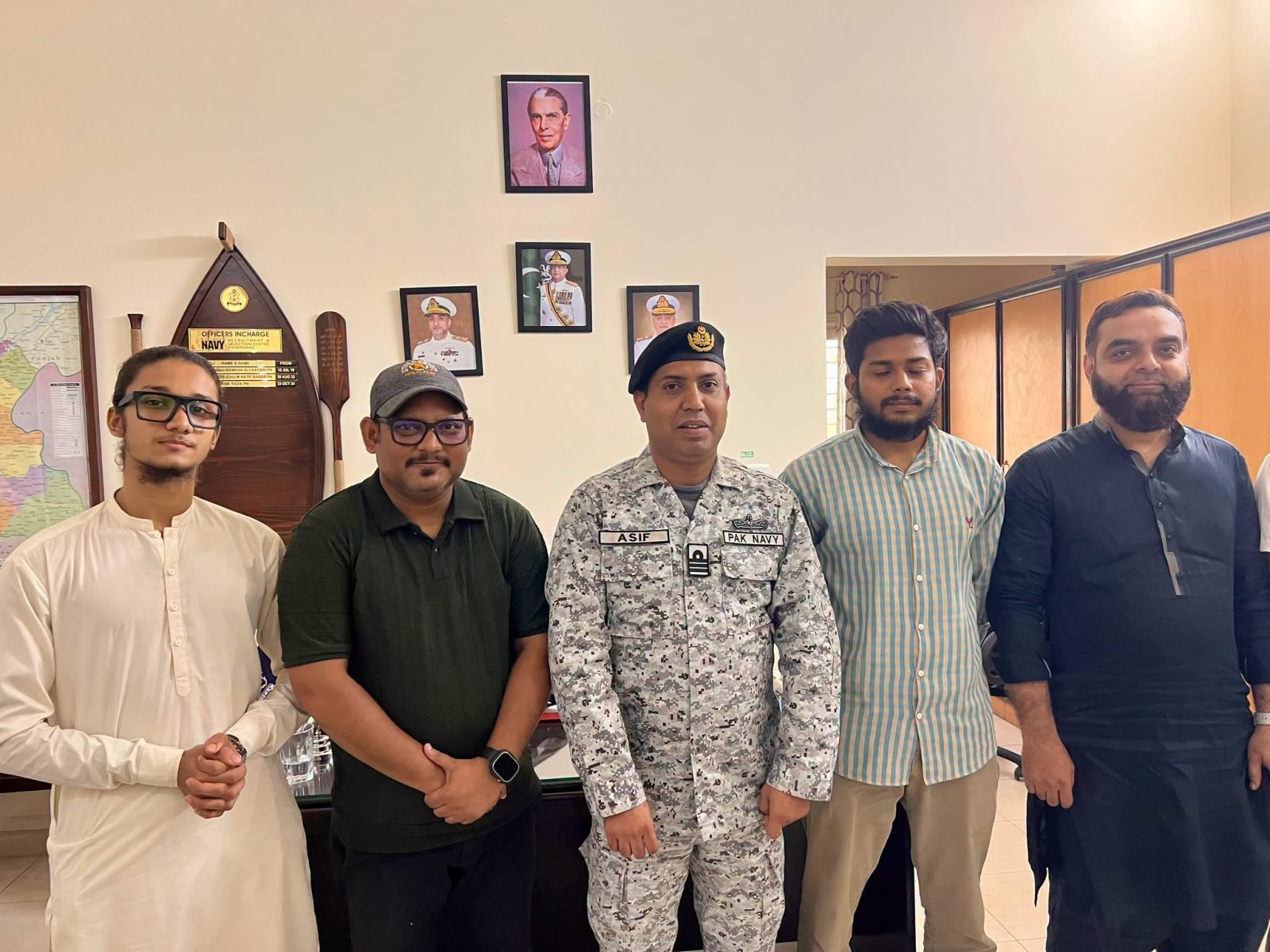
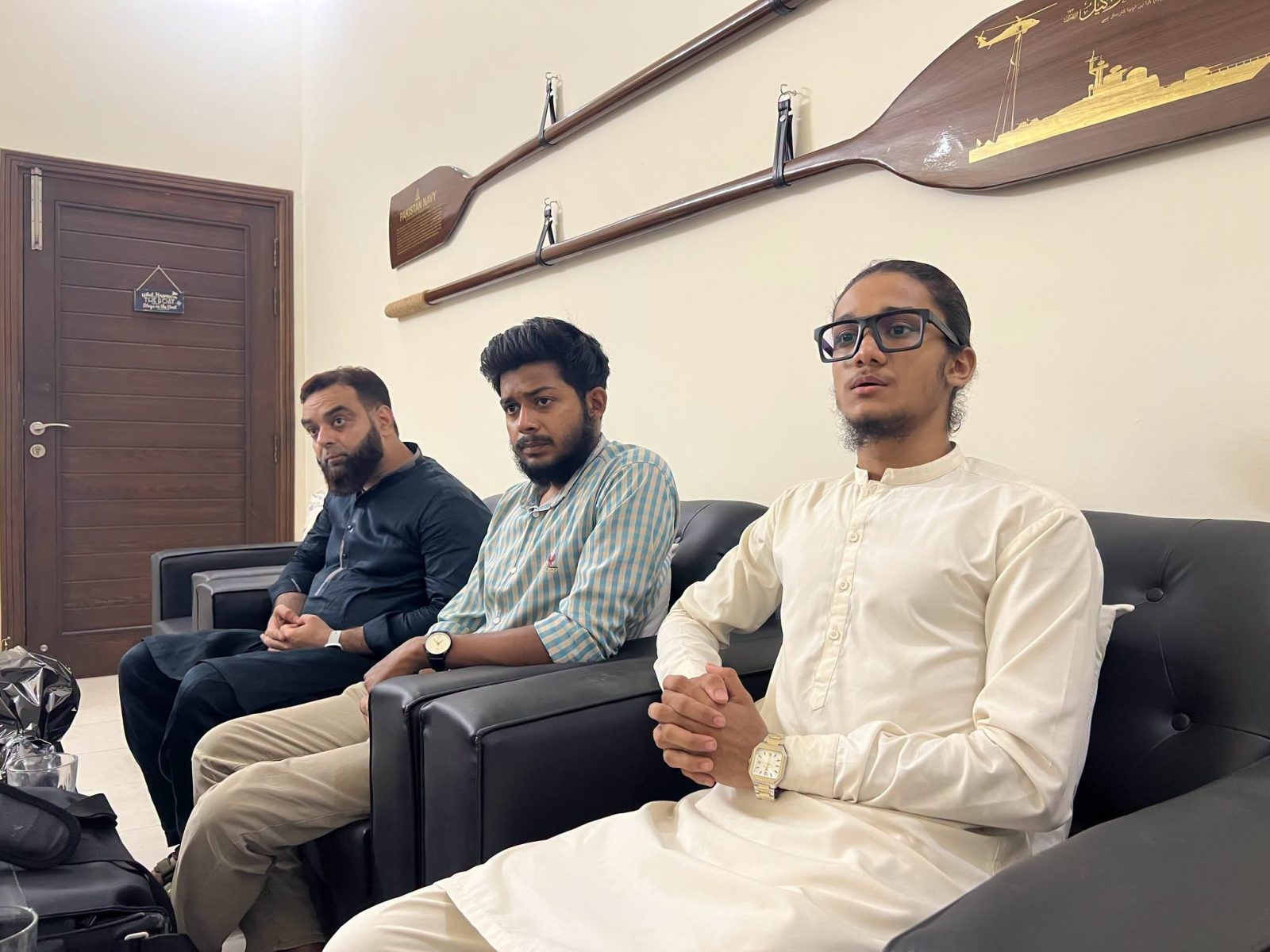
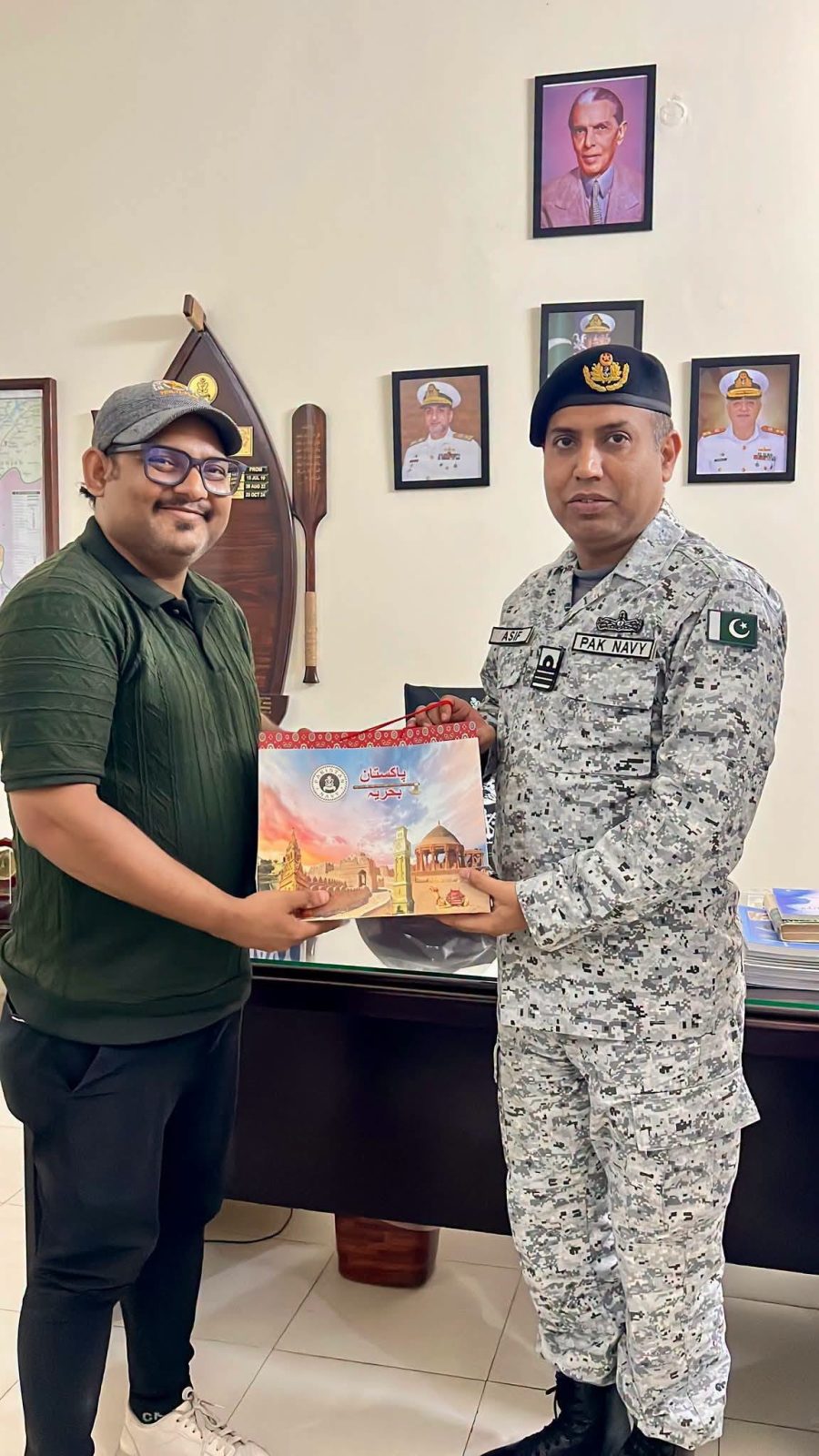
A session runs about 45 minutes. There are no needles — it is a talk, not a camp. We explain what blood is used for, who can donate, what happens on the couch, and we take every question the room has. Anyone who wants to donate afterwards is registered and invited to a camp with a licensed partner blood bank.
Request a sessionWhere we hold them
Recently held
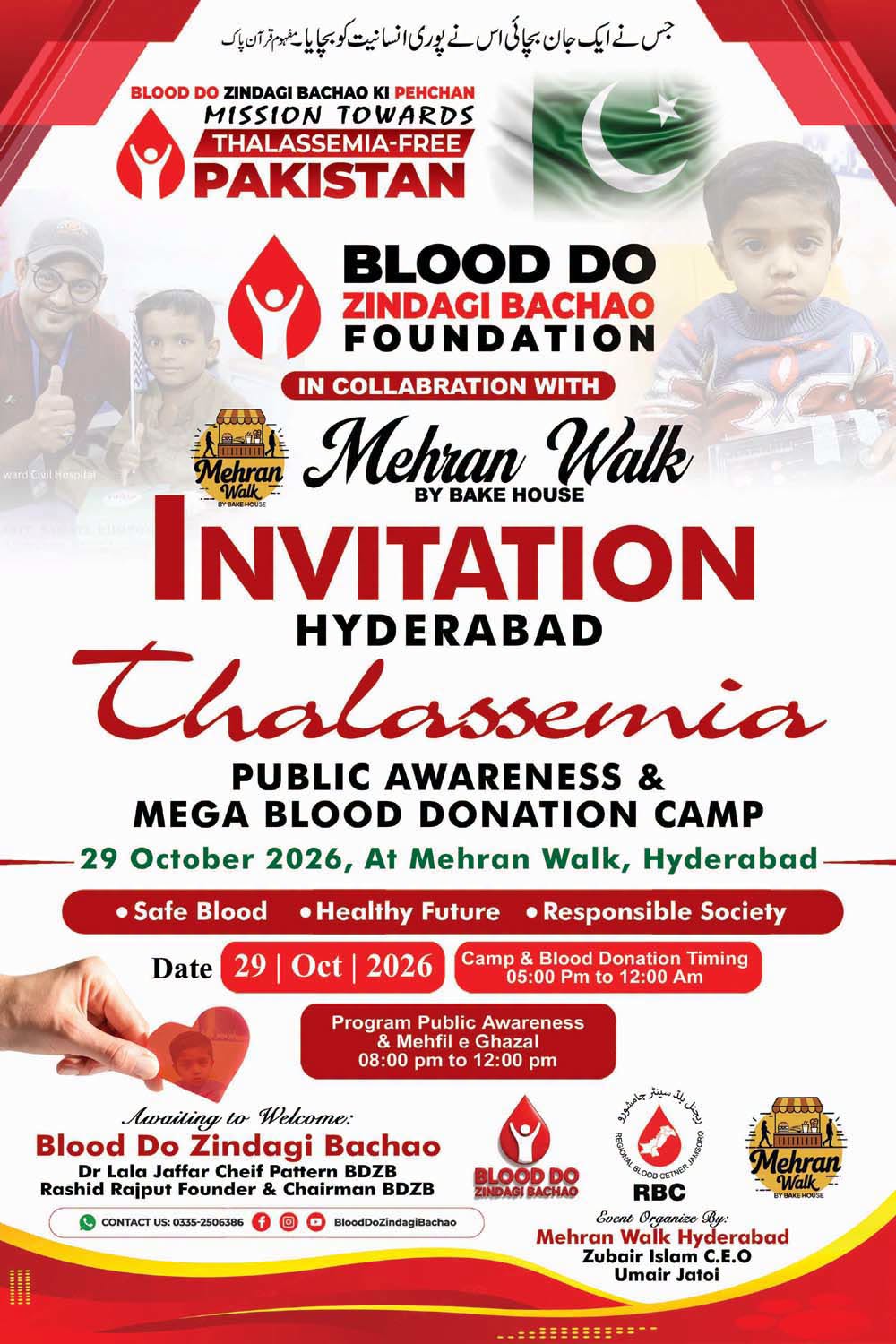 Awareness Session
Public Thalassemia Awareness & Blood Donation Camp
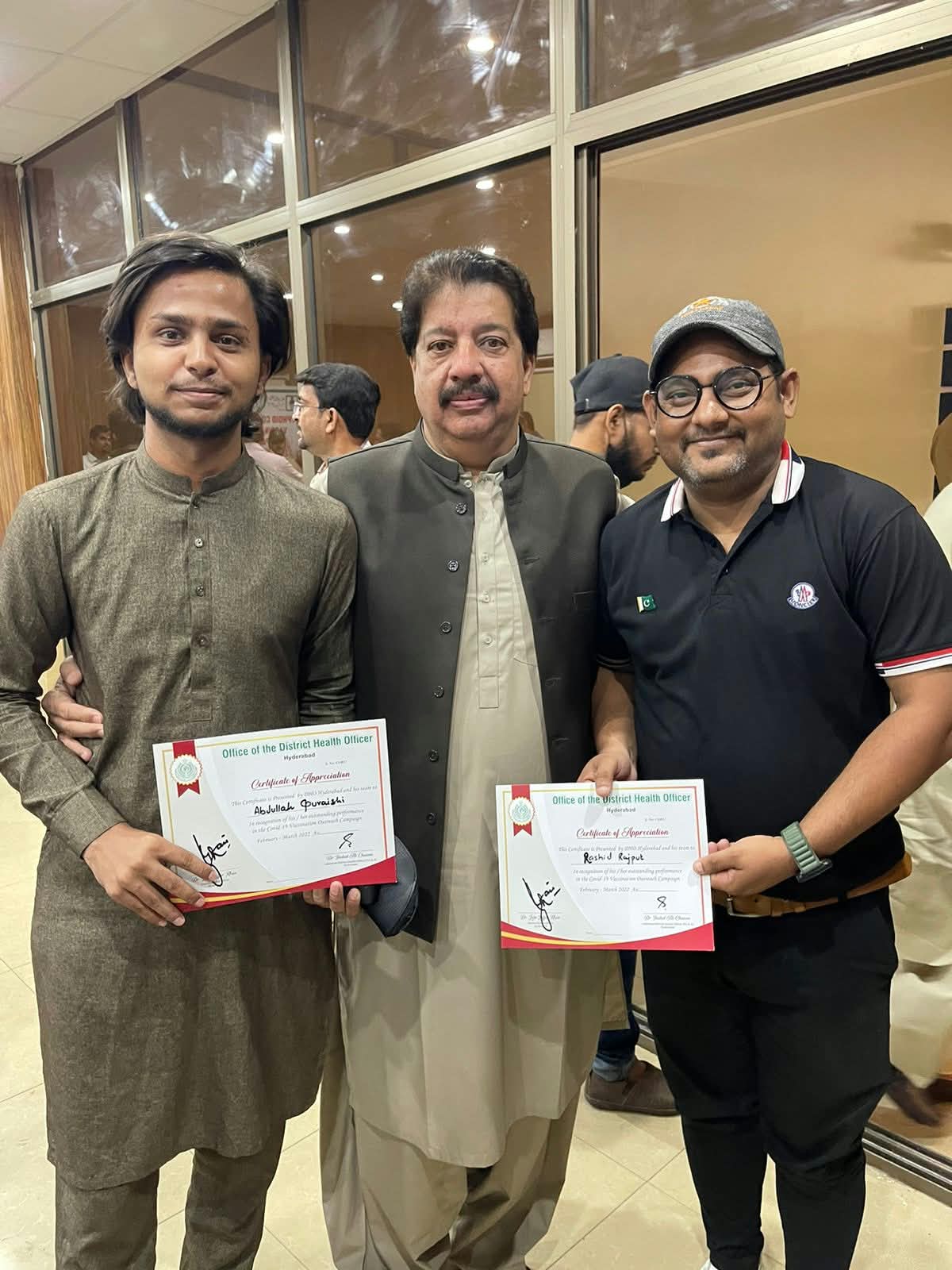
From our sessions
Full gallery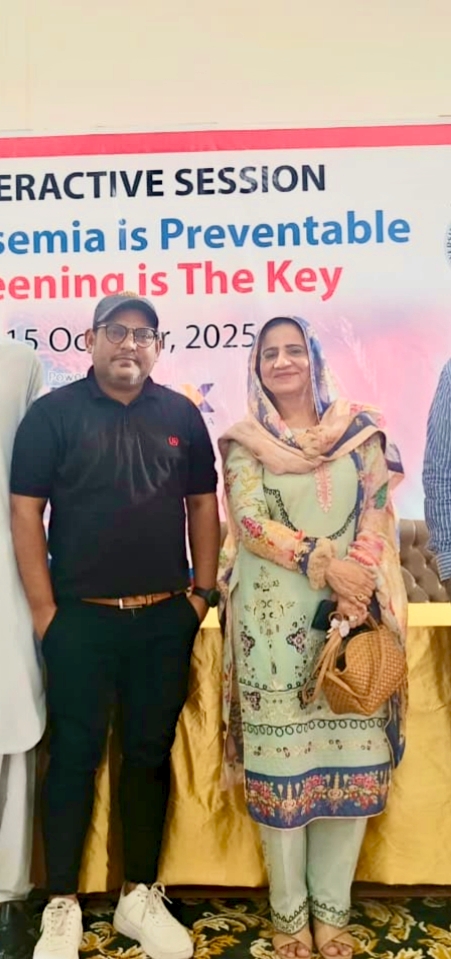
Common questions
Read more
Why blood donation is necessary - the short answer
Blood cannot be manufactured in a factory. Every single unit used in a hospital came out of a healthy person's arm.
Five myths that stop people from donating blood
Weakness, needles, age, medication and "someone else will do it" - the five things we hear at every session.
What actually happens when you donate blood
Registration, screening, ten minutes on the couch, juice and biscuits. Start to finish, about 45 minutes.